Thinking about buying in La Selva Beach and wondering what HOA life really feels like? In a coastal community, monthly dues and community rules are only part of the picture. You also need to understand maintenance, shared spaces, budgeting, and how county rules can affect your plans. If you want a clear, practical look at how HOA living works in La Selva Beach, this guide will walk you through the essentials. Let’s dive in.
What HOA life means here
In La Selva Beach, HOA living often means shared ownership responsibilities layered onto a unique coastal setting. This community is unincorporated in Santa Cruz County, and it also has a separate La Selva Beach Recreation District that manages certain local facilities.
That distinction matters because not every neighborhood feature is necessarily paid for through HOA dues. Some community amenities may be part of the separate public recreation district instead of the homeowners association budget.
In California, when you buy within a common interest development, membership in the association is automatic. That can apply to a condo, townhouse, home, or lot, depending on the legal structure of the community.
Why legal structure matters
A lot of buyers use the word “townhome” as if it explains ownership, but it does not. “Townhome” describes the physical style of a property, while the governing documents determine the legal ownership structure and the maintenance rules that come with it.
That means two homes that look similar can come with very different responsibilities. One project may be structured as a condominium, while another may be a planned development, and that difference can affect approvals, insurance, maintenance, and what the HOA controls.
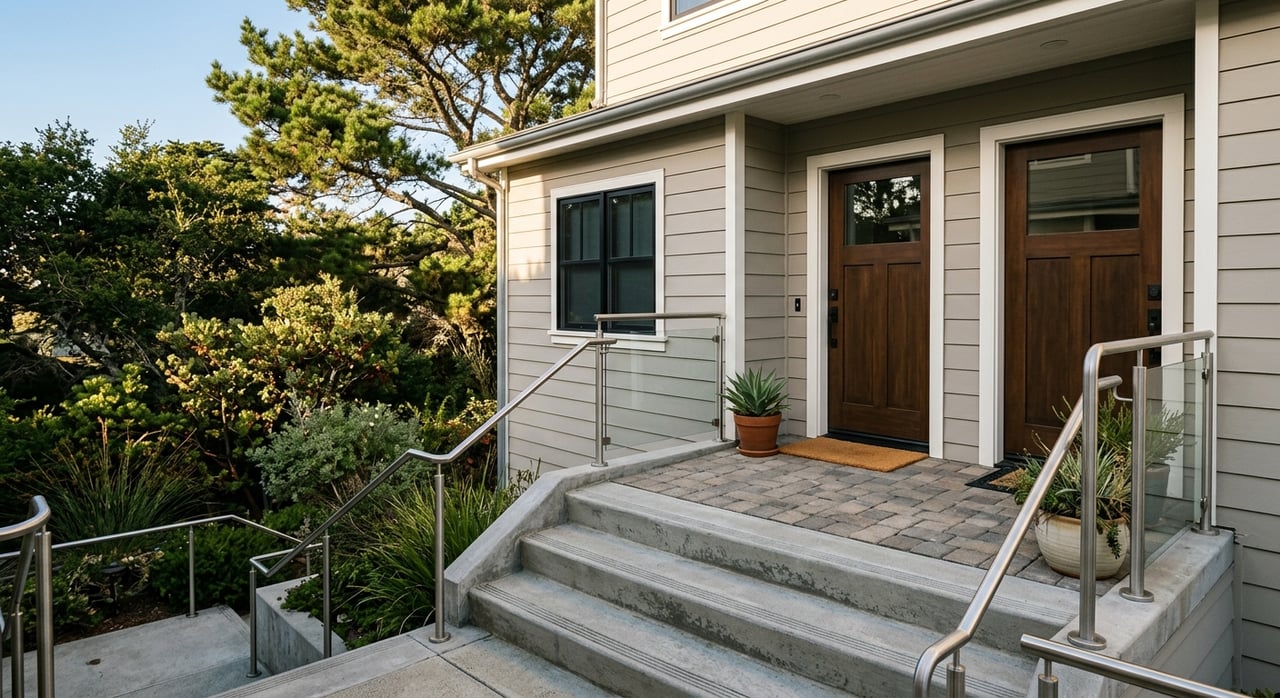
California guidance also notes that some properties include exclusive-use common area. That can include spaces such as patios, balconies, private yard areas, driveways, and parking spaces.
Common areas and exclusive-use spaces
One of the biggest adjustments in HOA living is realizing that some areas that feel private may not be fully private property. In many common interest developments, spaces like patios, balconies, and driveways may be exclusive-use common area.
In practical terms, that usually means you may have the right to use the space, but the HOA documents still govern what you can do there. It can also affect who handles upkeep, repairs, and replacement.
This is why reviewing the governing documents matters so much before you buy. If you assume a yard, patio, or parking area works the same way it would in a non-HOA property, you could be surprised later.
Who maintains what
For many buyers, this is the most important day-to-day question. Under California law, the HOA generally handles common-area maintenance, repairs, and replacement, while owners are responsible for their separate interests.
For exclusive-use common area, the split is often different. The owner usually handles maintenance, while the HOA typically handles repair and replacement unless the declaration says otherwise.
That may sound technical, but it has real-life consequences. If you are comparing properties in La Selva Beach, you should pay close attention to who is responsible for balconies, patios, exterior surfaces, parking areas, and driveways.
Coastal conditions add maintenance pressure
La Selva Beach’s location near the ocean is a major part of its appeal, but it also affects upkeep. Coastal airborne salt can be hard on metal, and ocean spray can affect landscaping and plant health.
That means features such as railings, fasteners, exterior hardware, decks, and outdoor elements may need more frequent attention than similar features farther inland. In an HOA setting, that extra wear can influence maintenance schedules, reserve planning, and future repair costs.
For you as a buyer, this is an important reminder that dues are not just about convenience. In a beach community, they often support a maintenance burden that is more demanding than it first appears.
What HOA dues usually support
HOA dues are the financial engine behind shared ownership. They typically help cover operating costs tied to common maintenance, insurance, and reserve funding for future major repairs or replacements.
In a denser ownership community, dues may also support privately maintained streets, driveways, open space, or recreational features, depending on the project. The exact mix depends on the legal structure and the association’s governing documents.
This is one reason two HOA communities in the same area can have very different monthly dues. A higher dues figure is not automatically a red flag, and a lower one is not automatically a bargain.
Budgets and reserves matter more than dues alone
A monthly dues number only tells part of the story. What really matters is whether the association is collecting enough to meet current obligations and prepare for future repairs.
California HOAs must distribute an annual budget report 30 to 90 days before the end of the fiscal year. That report includes a pro forma operating budget, reserve information, a reserve funding plan summary, statements about deferred major repairs or replacements, and notice of anticipated special assessments or reserve-funding changes.
Reserve planning is also required by law. For qualifying associations, a visual reserve study must be completed at least once every three years, and reserve funds are restricted to major components the HOA is obligated to maintain.
Special assessments and surprise costs
One of the biggest concerns buyers have with HOA properties is the possibility of special assessments. That concern is reasonable, especially in a coastal environment where exterior materials can age faster.
California law generally limits regular assessment increases above 20 percent or special assessments above 5 percent of budgeted gross expenses without member approval, except in some emergency situations. Even so, an association with thin reserves or deferred maintenance can still face sudden financial pressure.
This is why stable dues are not always a sign that everything is fine. If reserves are underfunded, a buyer could inherit a community that needs a dues increase or a special assessment down the road.
Rules, approvals, and everyday living
HOA life often offers more predictable community standards, but it also comes with more structure. Rules can come from CC&Rs, bylaws, and board-adopted policies.
These rules may address issues such as exterior changes, parking, use of shared spaces, and fencing limitations. In everyday life, that means your choices may be more regulated than they would be in a non-HOA setting.
For many buyers, this trade-off is worth it. Shared standards can help support a consistent look and feel, but it is important to know in advance where the lines are.
Short-term rental plans need two green lights
If you are considering a La Selva Beach property with rental income in mind, you need to look beyond HOA rules. HOA approval alone is not enough if you plan to rent short term.
Santa Cruz County requires permits for short-term rentals, and La Selva Beach falls within the Seacliff/Aptos/La Selva Beach designated area. The county’s current ordinance page lists SALSDA caps of 147 non-hosted rentals and 45 hosted rentals.
That means your rental plan has to work on two levels. First, the HOA documents must allow it. Second, the county permit rules and caps must also allow it.
The Recreation District is a separate layer
La Selva Beach has another feature that can be confusing for newcomers: the La Selva Beach Recreation District. This is separate from an HOA and serves the community through facilities that include a clubhouse, playground, Triangle Park, open space, and a portion of the bluff.
For buyers, that means neighborhood life may involve both private association governance and a separate public district presence. Some nearby amenities may be supported outside an HOA budget, which is worth understanding when you compare communities and monthly ownership costs.
Smart due diligence before you buy
If you are serious about buying in an HOA community in La Selva Beach, a little extra homework can go a long way. The goal is not to avoid HOA living. The goal is to understand exactly what you are buying into.
Here are the key questions to answer before you commit:
- Verify whether the community is a condominium, planned development, or another common interest development.
- Review what the HOA maintains versus what you maintain, especially for patios, balconies, driveways, parking spaces, and other exclusive-use areas.
- Read the latest annual budget report and reserve disclosure summary for signs of deferred repairs, reserve gaps, or expected special assessments.
- Confirm whether any short-term rental plan is realistic under both HOA rules and Santa Cruz County permit limits.
- Check whether nearby amenities are managed by the HOA or by the separate La Selva Beach Recreation District.
The bottom line on HOA living
HOA life in La Selva Beach is best understood as shared ownership plus shared responsibility. In the right community, that can mean less hands-on exterior upkeep, access to shared amenities, and a more structured ownership experience.
At the same time, you may have less control over common areas, community budgeting, and some property-use decisions. The key is knowing how the documents, finances, and local rules work before you buy.
If you are comparing condos, townhomes, or other coastal properties in La Selva Beach, working with a local team that understands these details can make the process much smoother. If you want help evaluating HOA documents, comparing ownership structures, or finding the right fit for your coastal lifestyle, connect with Melanie Langemak.
FAQs
What does an HOA in La Selva Beach usually control?
- An HOA in La Selva Beach may control common areas, maintenance responsibilities, community rules, exterior changes, parking, and use of shared spaces, depending on the governing documents.
What is exclusive-use common area in a La Selva Beach HOA?
- In a La Selva Beach HOA, exclusive-use common area can include spaces like patios, balconies, private yard areas, driveways, and parking spaces that you use privately but that are still governed by the association’s documents.
Are HOA dues in La Selva Beach only for amenities?
- No. HOA dues in La Selva Beach often support shared maintenance, insurance, and reserve funding for future repairs and replacements, not just amenities.
Can you use a La Selva Beach HOA property as a short-term rental?
- Maybe, but HOA permission alone is not enough. Short-term rentals also require compliance with Santa Cruz County permit rules and area caps.
Why should buyers review reserve studies in a La Selva Beach HOA?
- Reserve studies help you understand whether the HOA is planning for future major repairs and whether the community may face higher dues or special assessments later.
Is the La Selva Beach Recreation District the same as an HOA?
- No. The La Selva Beach Recreation District is a separate public district that serves the community and manages certain local facilities outside a private HOA structure.