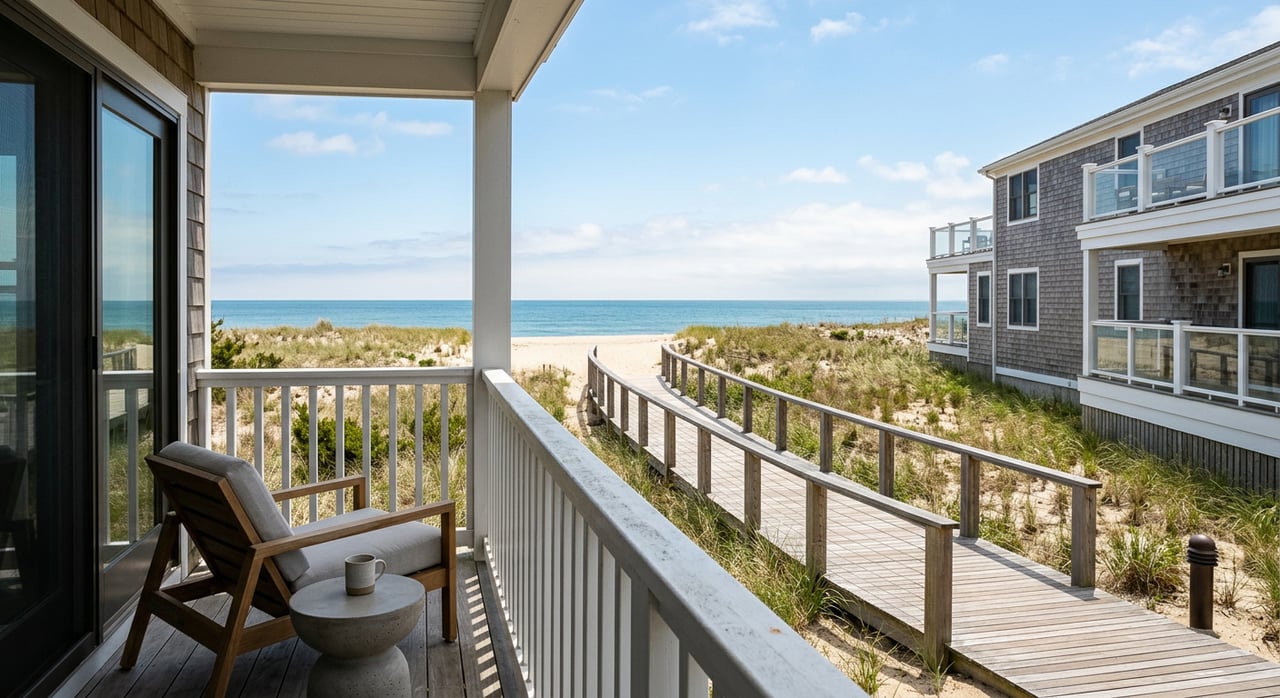
Imagine stepping out your door and walking a few minutes to a wide, sandy beach, then ending the day with sunset views and the soft sound of surf. If you are curious about owning a condo in Pajaro Dunes, you probably want the ease of resort living without surprises. In this guide, you will learn what day-to-day life looks like, what HOAs typically cover and cost, how rentals work, and what to know about the community seawall, insurance and assessments. Let’s dive in.
Pajaro Dunes at a glance
Pajaro Dunes is a gated beachfront community on Monterey Bay in southern Santa Cruz County, near Watsonville. It includes several condominium complexes, townhomes and single-family homes set among dunes and coastal vegetation. The shoreline spans about a mile and a half, with state parklands next door that help preserve a natural, relaxed feel.
The property operates with a resort-style model. You will find a staffed gatehouse and reception, on-site services, and internal walkways that lead to the sand. Because many condos are vacation homes or rentals, the community has a steady but calm rhythm most of the year.
Daily life and access
Beach access and beach rules
In California, the beach is public to the mean high-tide line. You reach it at Pajaro Dunes through a mix of community boardwalks and nearby state park entrances. Expect easy walking access from many buildings and a laid-back pace during the week. Beach use follows community and state park rules like quiet hours, no glass on the sand, and controlled fire use in designated rings. To understand public shoreline rights, review the state’s overview of access to the mean high-tide line at the California Coastal Commission site: public shoreline guidelines. For on-site rules and how they are enforced for guests and owners, see the resort’s policies and procedures.
Amenities you will actually use
A big part of the appeal is convenience. On property, you have:
- Staffed front desk and gatehouses for passes, directions and after-hours key access. See the resort’s front desk and gatehouse details.
- Tennis and pickleball courts, sand volleyball, open lawns, and nature displays.
- A lobby store/gift shop, free Wi-Fi in common areas, a game room and video library.
- Event venues like the Sandpiper Center and Lagoon/Cypress Houses.
- EV charging stations on both sides of the community.
You can preview these features on the on-site amenities page: Pajaro Dunes amenities.
Weekday vs. weekend rhythm
Many rentals turn over on Fridays, so Friday afternoons feel lively with arrivals, and weekends and holidays are the busiest. Midweek often feels quieter and more private, which many owners prefer for personal stays. Quiet hours are typically enforced at 10:00 pm, and summer and major holiday weekends bring more activity. You can see examples of weekly rental cycles and published quiet hours in local listings such as this rates and rules example.
Ownership logistics
What HOA dues usually cover
Most Pajaro Dunes condo associations include exterior and common-area maintenance, landscaping, boardwalks and paths, security or gate staffing, trash and recycling, common-area insurance, and management or reserves in their dues. Every building and sub-association is a little different, so always request the “what the dues pay for” list from the HOA and compare it with the master policy.
What HOA dues look like
HOA dues vary widely based on building, unit size, insurance included, and how utilities and reserves are handled. Recent listing examples show dues in the low hundreds per month for some associations, up to several thousand per month for others. For instance, some Pelican Point condos have been marketed with monthly fees around the $1,400 range, while other listings show quarterly assessments around $4,000. These figures change by unit and over time, but this representative listing example shows how wide the range can be. Always verify the current amount and inclusions for the specific condo you are considering.
Coastal hazards and the PDGHAD seawall
Pajaro Dunes fronts the ocean, so coastal protection and maintenance are part of responsible ownership. The community relies on a rock revetment (seawall) and a local special district, the Pajaro Dunes Geologic Hazard Abatement District (PDGHAD), that plans, permits and funds repairs and monitoring. Owners in affected zones may pay multi-year assessments, commonly collected through property tax bills. PDGHAD publishes meeting packets with project budgets and assessment information. This is a high-priority verification item for any buyer. You can review a recent public packet for context here: PDGHAD meeting packet.
Insurance and lending basics
- Flood: Portions of Pajaro Dunes fall within mapped flood hazard areas. Many condo associations purchase an NFIP Residential Condominium Building Association Policy (RCBAP) for the building. Lenders may require additional flood coverage if the master policy is not sufficient. Ask for the association’s current flood insurance declarations and confirm lender requirements. See the FDIC’s overview of flood insurance rules for condos and lenders: flood insurance guidance.
- Earthquake: Standard HO-6 condo policies usually exclude earthquake coverage. California encourages owners to consider separate earthquake insurance through private markets or the CEA. Review what the HOA covers and what you need to insure for interiors, contents and loss assessments. Learn more from the California Department of Insurance’s earthquake insurance guide.
- Loss assessment coverage: Because HOAs and special districts can levy assessments for capital projects like seawall work, many owners add loss-assessment coverage to their HO-6. This can help with certain covered special assessments. Confirm terms with your insurance provider and compare them to the HOA’s master policy.
Renting your condo
Short-term rental rules and taxes
Pajaro Dunes lies in unincorporated Santa Cruz County, where the County regulates vacation rentals and collects Transient Occupancy Tax (TOT). The County notes that Pajaro Dunes vacation rentals are governed by existing development permits for that community, rather than the newer blanket short-term rental provisions. In practice, you must comply with both your HOA’s rental policies and County registration and TOT remittance. You can read the County’s planning materials highlighting this framework here: County planning document. For tax registration and current TOT guidance, visit the County’s TOT FAQ.
On-site management and rental cadence
Pajaro Dunes Resort and local managers offer full-service options, including housekeeping, key exchange at the front desk or gatehouse, guest services and pricing support. Many rentals follow a weekly model with seasonal rates, deposit programs and clear quiet hours. If you plan to rent, confirm HOA permissions, platform or manager requirements, occupancy limits and parking rules, and make sure your TOT registration is complete. You will find practical on-site service details in the resort’s FAQ and examples of weekly cadence and rules in local rates pages.
Is Pajaro Dunes a fit for you?
For many buyers, Pajaro Dunes blends resort convenience with a protected coastal setting. It is ideal if you want low-maintenance beach access, on-site support, and a peaceful, family-friendly vibe. It also asks you to be proactive about HOAs, insurance and coastal-assessment planning. Here is how it stacks up for two common buyer types:
Pure second-home owner
- Easy getaways, with staffed gatehouse and on-site services.
- Simple logistics for cleaning and maintenance when you are away.
- Quieter midweek experience and reliable quiet hours.
Occasional host or investor
- Turnkey rental support through local managers and a steady weekly cadence.
- Seasonal demand that can support owner-use plus some income.
- Extra steps: HOA approvals, County TOT compliance, cleaning/turnover costs, and close attention to insurance and potential assessments.
Buyer checklist: what to verify
Use this list during due diligence so you know exactly what you are buying.
- Request the HOA’s CC&Rs, bylaws, recent meeting minutes, reserve study and insurance declarations. Confirm whether the building carries an RCBAP and what the master policy covers vs. owner responsibility. See background on condo flood rules in the FDIC’s flood insurance guidance.
- Confirm any active or approved special assessments, especially related to the seawall. Review PDGHAD packets for your unit’s zone and assessment schedule: PDGHAD meeting packet.
- Ask how dues are structured and what they include. Dues vary widely by building and can range from the low hundreds per month to several thousand. A representative listing example shows this variability.
- Clarify rules for pets, smoking and beach use for owners vs. renters. See the resort’s policies and procedures.
- If you plan to rent, confirm allowed booking patterns, platform or manager requirements, occupancy limits, parking rules and quiet hours. Review a local rates and rules example.
- Register for TOT and confirm who collects and remits tax. Start with the County’s TOT FAQ and read how Pajaro Dunes rentals fit under existing development permits in this County planning document.
- Talk with your insurance advisor about earthquake coverage and loss-assessment protection on your HO-6. See the state’s earthquake insurance guide.
- Visit the property at different times. Compare a weekday morning to a summer weekend afternoon to feel the change in pace.
Next steps
If Pajaro Dunes suits your lifestyle, the next step is a focused, low-stress search. Our team specializes in this community and the Monterey Bay corridor. We help you pin down the right building and view lines, clarify HOA coverage and assessments, and coordinate financing, insurance and rental strategy so you can enjoy the beach with confidence.
Have questions or want a private consultation about a specific condo? Reach out to Melanie Langemak to get started.
FAQs
What is day-to-day noise like in Pajaro Dunes during summer?
- Weekends and holidays are busier, with many Friday arrivals for weekly rentals, while midweek is commonly quieter; quiet hours around 10:00 pm are enforced by the resort and HOAs, as shown in local rates pages.
What do HOA dues typically cover in Pajaro Dunes condos?
- Dues often include exterior and common-area maintenance, security or gate staffing, trash and recycling, common insurance, and reserves, but coverage varies by association, so request each building’s inclusion list.
How does the PDGHAD seawall affect owners in Pajaro Dunes?
- The local hazard district plans and funds seawall repairs and monitoring, and owners in affected zones may pay multi-year assessments, documented in public PDGHAD packets.
What insurance do Pajaro Dunes condo owners need to consider?
- Review the HOA’s master policy, confirm flood coverage under an RCBAP, consider earthquake insurance, and ask about loss-assessment coverage; see the FDIC’s flood guidance and the state’s earthquake guide.
Can you legally short-term rent a Pajaro Dunes condo?
- Yes, subject to your HOA’s rules and Santa Cruz County requirements; Pajaro Dunes rentals operate under existing development permits, and owners must register and remit TOT per the County’s planning document and TOT FAQ.