Selling near the coast is not the same as selling anywhere else. If you are getting ready to list in La Selva Beach, the salt air, fog, wind, and moisture can affect how your home shows, how buyers evaluate condition, and how smoothly escrow moves forward. With the right prep, you can reduce surprises, present your home with confidence, and make the most of your launch timing. Let’s dive in.
Why La Selva Beach prep matters
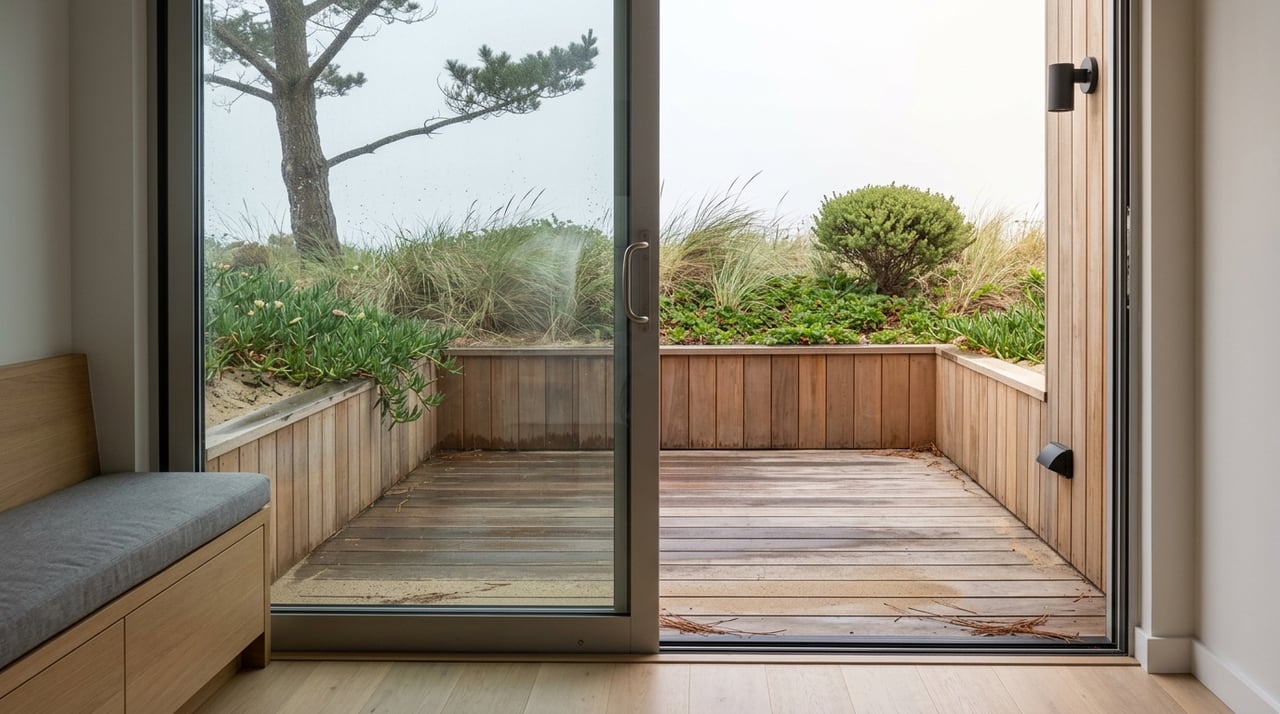
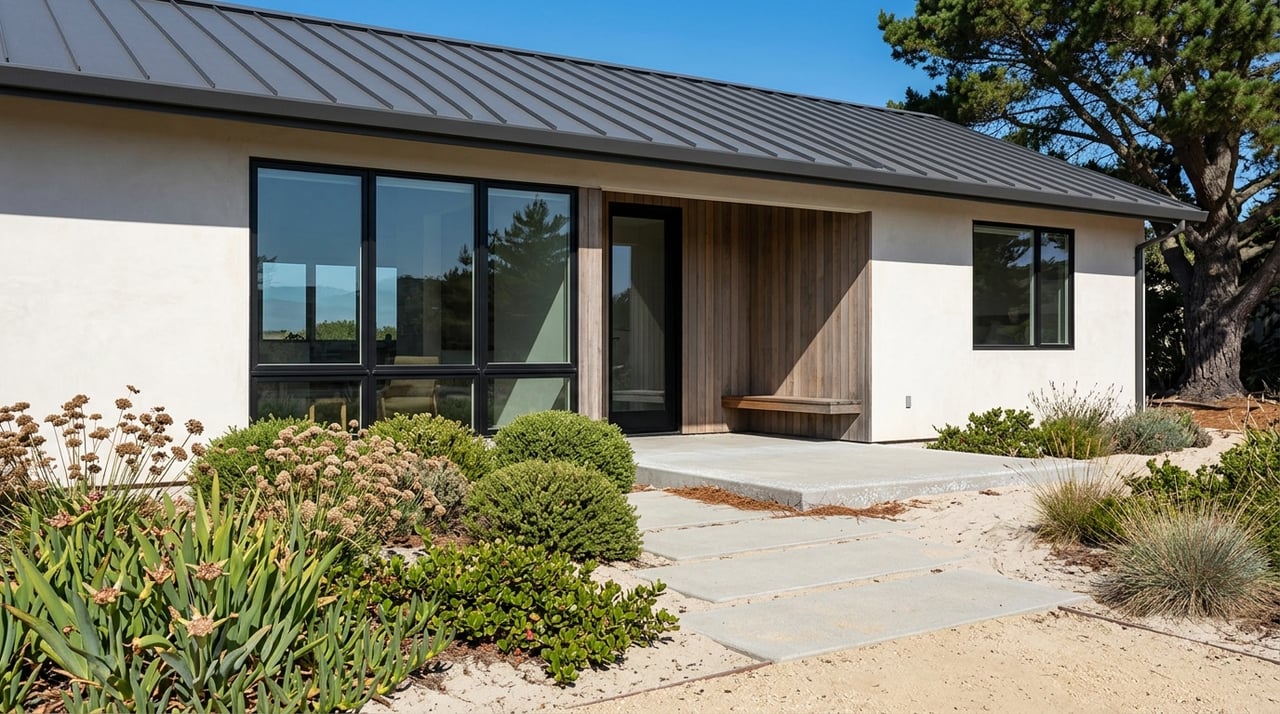
La Selva Beach sits in a coastal microclimate, and that matters when you sell. Santa Cruz County notes that wind, wind-driven rain, fog, mist, and strong sun can wear down exterior materials and contribute to issues like erosion, warping, cracked surfaces, failed window seals, roof-shingle loss, and water intrusion.
That means buyers may pay close attention to deferred maintenance, especially on the exterior. A home that feels dry, well cared for, and well documented can inspire more confidence from the start.
Local market conditions also support a thoughtful approach. In Santa Cruz County’s 2025 annual stats, La Selva Beach single-family homes averaged 83 days on market, had a median sale price of $1.445 million, and ended the year with 1.8 months of inventory. In a market like that, presentation and pricing discipline matter.
Start with coastal-condition repairs
Before photos, showings, or marketing go live, focus on the items most likely to raise questions. Santa Cruz County specifically calls out roofs, flashing, windows, gutters, paint, and drainage as important areas to check in coastal settings.
If your home is near the ocean or exposed to weather, look closely for signs of wear. Failed dual-pane seals, missing shingles, drainage problems, and water intrusion can affect both appearance and buyer confidence.
A smart first-round checklist often includes:
- Roof condition and flashing
- Window seals and visible condensation issues
- Gutters and downspouts
- Exterior paint and cracked surfaces
- Drainage around the home
- Signs of erosion or water intrusion
Taking care of these items early can help you avoid rushed repairs later. It also gives your photography and staging a stronger foundation.
Control moisture before listing
Moisture is one of the biggest issues to manage in coastal homes, especially if the property has been vacant or lightly used. The EPA notes that condensation or moisture on windows, walls, or pipes should be dried quickly, and relative humidity above 60% can lead to mold growth.
Santa Cruz County also notes that high water tables can intensify mold growth. If your home has been closed up for stretches of time, it is worth checking for musty odors, damp areas, or visible condensation before you schedule photos or open the door to buyers.
A few practical steps can help:
- Air out the home consistently
- Dry any visible moisture promptly
- Check windows, walls, and pipes for condensation
- Address leaks or drainage issues early
- Make sure the home feels fresh and dry before showings
Buyers notice when a home feels clean, bright, and well maintained. In La Selva Beach, that often starts with moisture control.
Consider inspections before buyers do
Pre-listing inspections can help you understand the home’s condition on your timeline, not the buyer’s. That can be especially helpful if you want fewer surprises during escrow.
A pest inspection is often worth considering. UC IPM notes that drywood termites occur along most coastal regions in California, which makes this a relevant issue for many homes near the coast.
Depending on the property, sellers may also want to evaluate systems and conditions that could affect buyer decisions early in the process. The goal is not to overdo it. The goal is to identify meaningful issues, decide what to repair, and be prepared with clear information.
Sort out permits and property records early
Paperwork can slow a sale just as much as repairs can. Santa Cruz County advises sellers to sort out permit history before going to market because unpermitted improvements can affect value, financing, insurance, and habitability.
The county also notes that nonconforming additions may require retrofits or even removal in some cases. For coastal properties, there may also be Coastal Commission or other land-use restrictions to consider.
Before listing, gather what you can, including:
- Permit cards
- Final sign-offs
- Contractor invoices
- Records for major improvements
- HOA documents, if applicable
If your property is a condo or part of a common-interest development, Santa Cruz County area guidance recommends getting the current HOA packet directly from the HOA or property manager. Having these records ready can make buyer questions easier to answer and keep escrow moving.
Start septic or private water steps early
If your La Selva Beach property uses septic or a private water source, timing matters. Santa Cruz County says sellers should complete the septic tank inspection form before listing and consider a fuller point-of-sale OWTS evaluation.
For individual water systems, county testing can take about 3 to 5 weeks. When applicable, sellers must also provide water-quality and yield documentation.
These are not tasks to leave for the last minute. If your property falls into either category, start early so your sale timeline is not held up by inspections or test results.
Gather disclosures before your launch
A smooth sale usually starts with organized disclosures. California law requires a Transfer Disclosure Statement for most single-family residential sales and a Natural Hazard Disclosure Statement for properties in state-mapped hazard zones.
Santa Cruz County’s 2025 advisory also highlights local issues sellers should review, including flood mapping, unstable hillsides or expansive soils, high water tables, wet weather conditions, permit issues, nonconforming uses, and county wastewater inspections. State mapping resources also require disclosure of seismic hazard zones and tsunami hazard areas when applicable.
This is one reason early preparation matters so much. When your records, inspection information, and property history are gathered in advance, disclosures tend to be easier to complete accurately and on time.
Use staging and media to tell the story
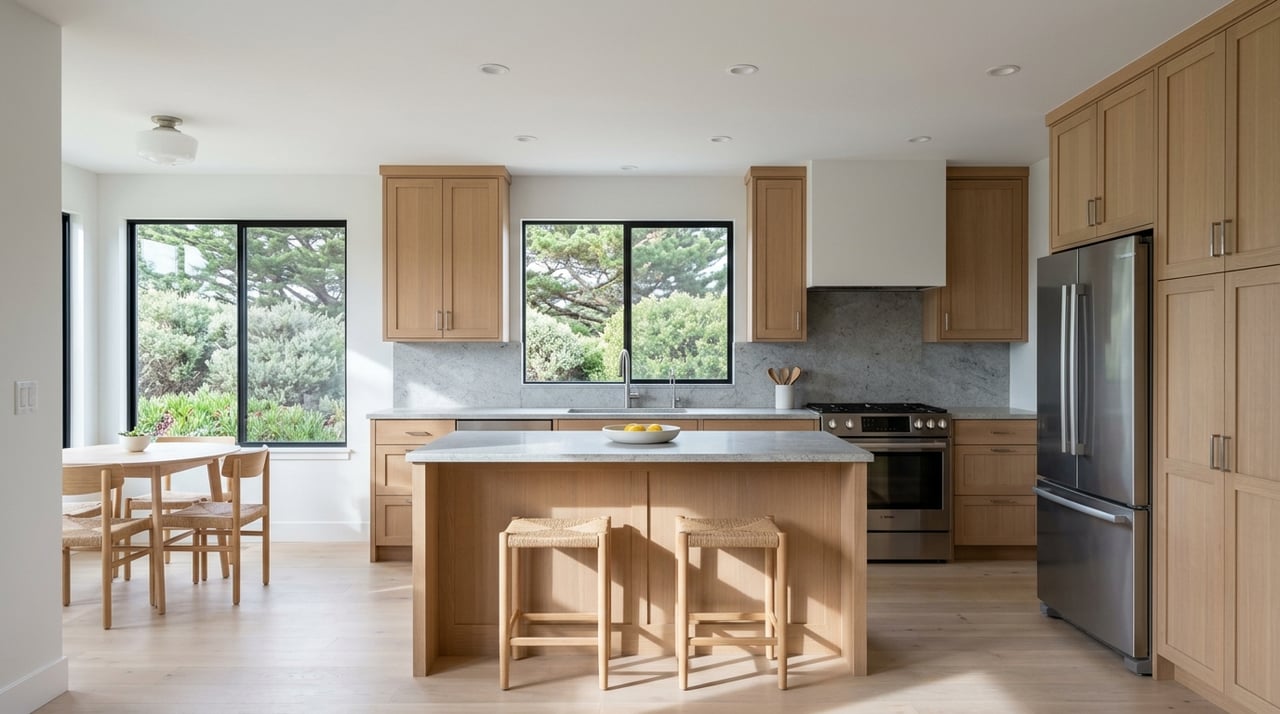
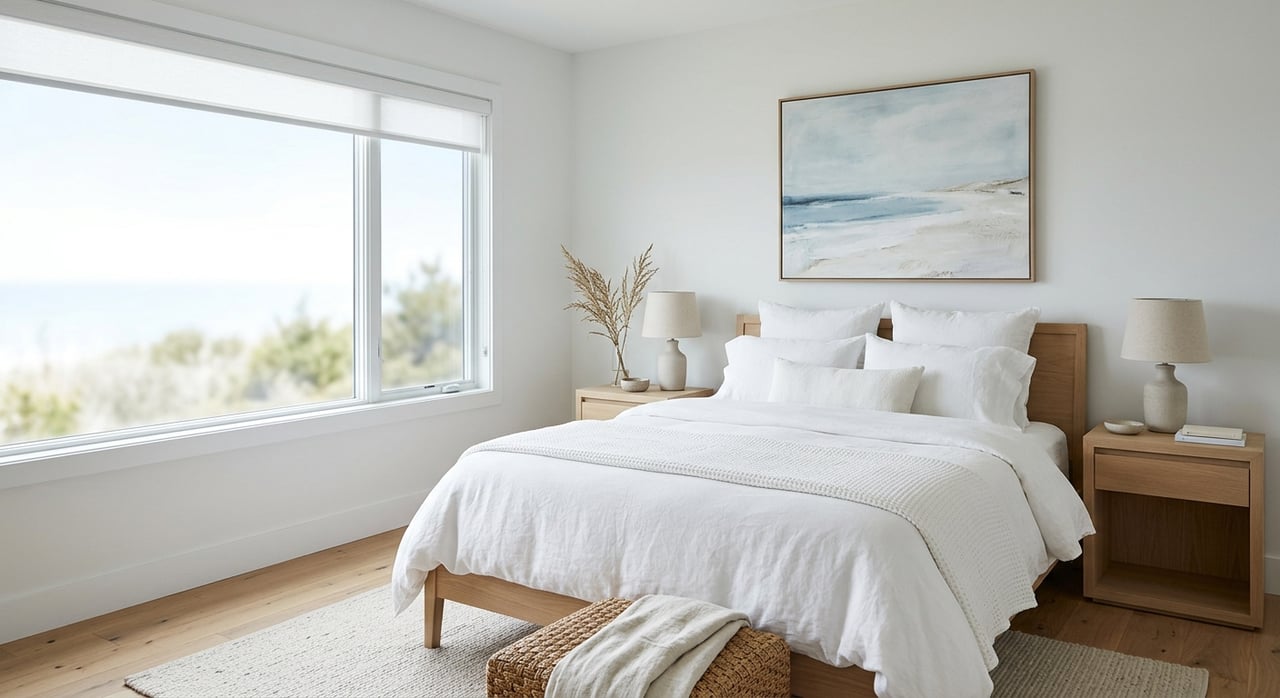
Once the home is repaired, dry, and documented, presentation becomes the next priority. This is where thoughtful staging and strong listing media can make a real difference.
NAR’s 2025 staging report found that 83% of buyers’ agents said staging makes it easier for buyers to visualize a property as a future home. The same report found that photos were rated most important by buyers, with physical staging, videos, and virtual tours also playing an important role.
NAR also reported that 17% of buyers’ agents believed staging increased the dollar value offered by 1% to 5%. That does not mean every staged home sells for more, but it does show why polished presentation is often worth the effort.
For vacant second homes, this can matter even more. Empty rooms often need extra help to show scale, warmth, and function.
Plan your listing timeline backward
One of the best ways to reduce stress is to work backward from your ideal list date. If you want to hit the spring market, start the prep process earlier than you think.
Santa Cruz County’s 2025 single-family data showed stronger spring activity, with sold units rising from 93 in March to 131 in April, 124 in May, and 130 in June. Average days on market also dropped from 40 in March to 28 in April and 25 in May. For many La Selva Beach sellers, the practical takeaway is simple: be market-ready by late winter or early spring.
Here is a useful timeline to follow:
9 to 12 months out
Start gathering documents and identifying known issues. Pull permit records, HOA documents if relevant, and septic or well records if applicable.
60 to 90 days out
Complete inspections and prioritize repairs. Focus first on coastal-condition issues like roofing, windows, drainage, moisture, and exterior wear.
30 to 45 days out
Deep clean, stage, photograph, and prepare your full media package. This is the time to make sure the home is polished, bright, and easy to show.
Launch time
Go live only after the property is dry, documented, and ready for showings. That preparation can help your listing make a stronger first impression and support a smoother escrow process.
What smooth selling really looks like
A smooth sale is usually not about one big change. It is the result of many smart steps taken in the right order. In La Selva Beach, that often means addressing coastal wear, controlling moisture, organizing disclosures, and investing in presentation before the listing goes live.
When you do that work upfront, buyers can focus more on the home itself and less on potential problems. That can lead to stronger confidence, cleaner negotiations, and a better overall selling experience.
If you are thinking about selling your La Selva Beach home and want a plan tailored to your property, Melanie Langemak can help you prepare, position, and present your home with the kind of local care and polished marketing this coastal market deserves.
FAQs
What should sellers repair first before listing a La Selva Beach home?
- Start with coastal-condition items that affect buyer confidence, including the roof, flashing, windows, gutters, paint, and drainage. Santa Cruz County specifically identifies these as common trouble spots in coastal properties.
Why is moisture control important when selling a home in La Selva Beach?
- Coastal moisture can lead to condensation, musty odors, and mold concerns. The EPA says humidity above 60% can support mold growth, and Santa Cruz County notes that high water tables can intensify the issue.
Do La Selva Beach sellers need to gather permits before listing?
- Yes. Santa Cruz County advises sellers to sort out permit history early because unpermitted improvements can affect value, financing, insurance, and habitability.
When should sellers start septic or private water testing in Santa Cruz County?
- Start as early as possible. Santa Cruz County says septic forms should be completed before listing, and private water testing can take about 3 to 5 weeks when required.
Does staging help when selling a La Selva Beach home?
- It often does. NAR’s 2025 staging report found that 83% of buyers’ agents said staging helps buyers visualize a property as a future home, and photos were rated as especially important.
When is a good time to list a La Selva Beach home for sale?
- Spring often shows stronger activity in Santa Cruz County. County 2025 data showed more sales and faster market times from April through June, so many sellers benefit from being fully prepared by late winter or early spring.