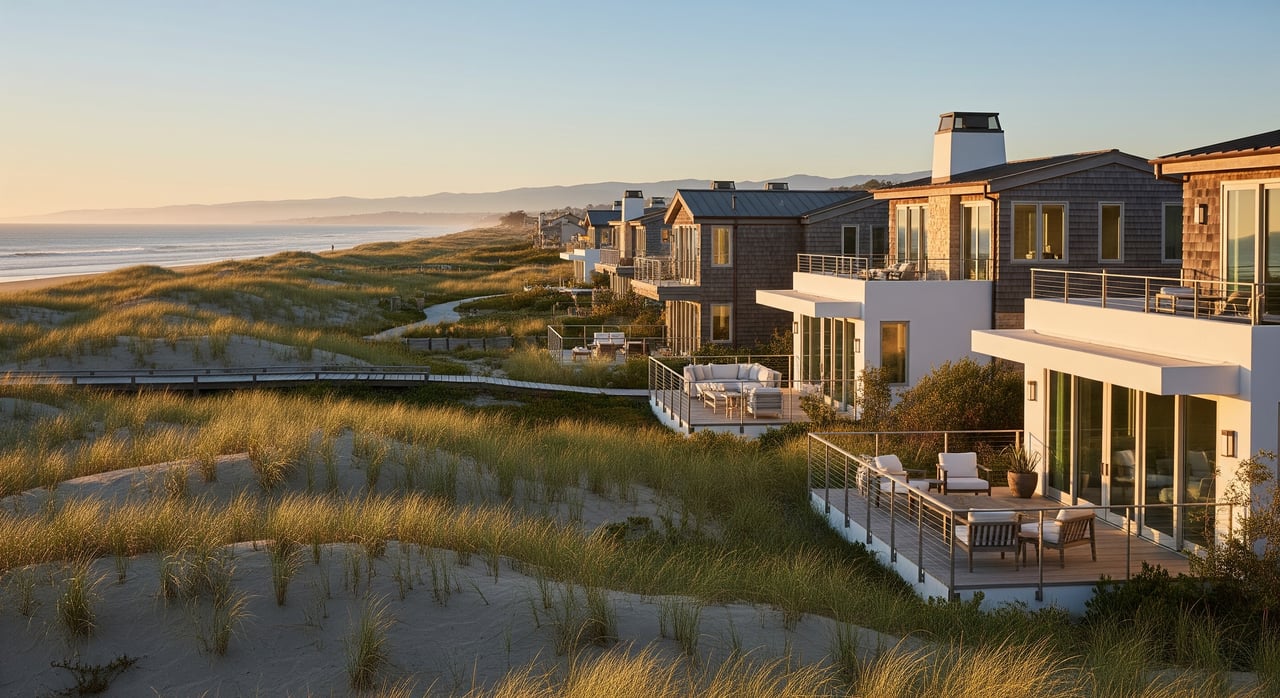
Which Pajaro Dunes condo enclave fits how you want to live by the beach? If you have toured a few units, you have seen how one building can feel windier, another offers sheltered dune views, and a third sits closest to the boardwalk. That variety is what makes Pajaro Dunes special, but it can also make your search feel overwhelming. In this guide, you will learn how the main condo clusters compare on views, floor plans, beach proximity, HOA considerations, and buyer fit so you can shortlist with confidence. Let’s dive in.
How Pajaro Dunes is organized
Pajaro Dunes is a privately developed coastal community on the southern Santa Cruz County coastline near Watsonville and the northern curve of Monterey Bay. The condos sit in distinct clusters that most buyers sort into four practical groups: oceanfront, second row with dune or lagoon outlooks, interior clusters set around streets or courts, and amenity-centered buildings near pools, clubhouses, or rental hubs.
When comparing, consider three coastal factors. First, exposure to wind and salt can influence maintenance and comfort on decks. Second, flood zones and sea-level planning affect insurance and permitting. Third, walking access to the beach and boardwalks shapes everyday convenience and rental appeal. The sections below break down what to expect in each enclave type.
Oceanfront condos at a glance
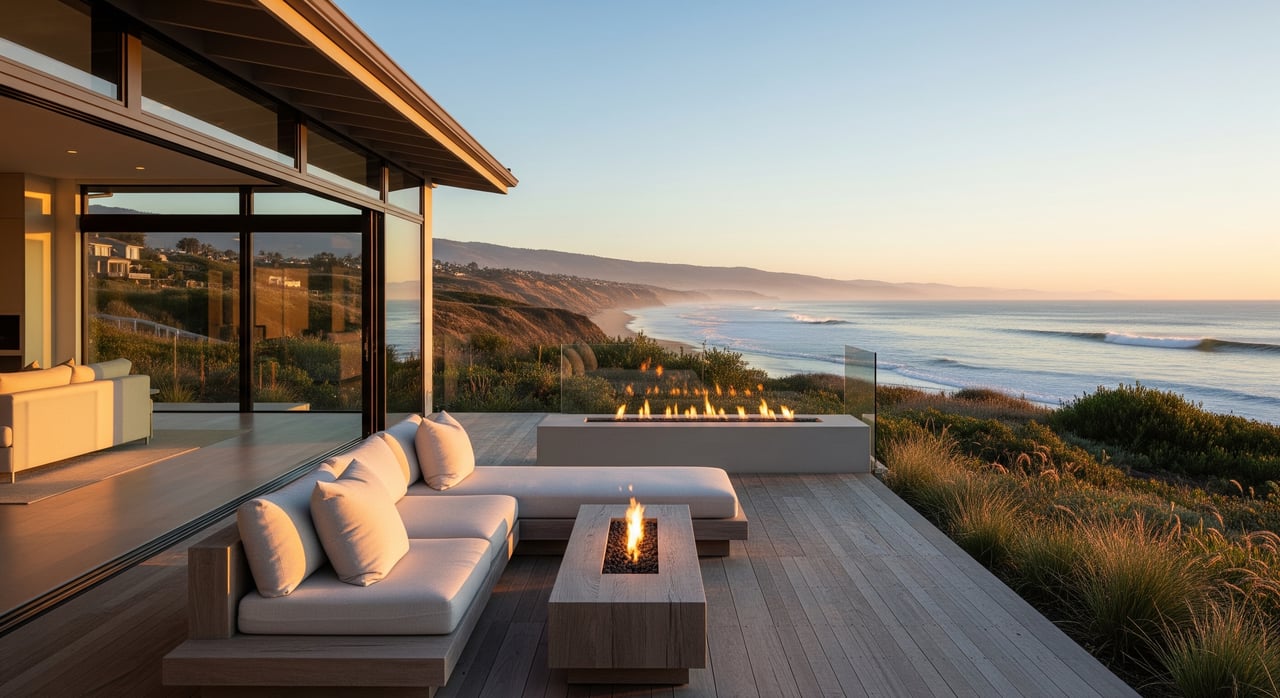
Front row: premium views, shortest walk to sand. Best for buyers who want the beach experience front and center.
Quick facts
- Buildings: low to mid rise, oriented directly toward the ocean.
- Floor plans: studios and one-bed suites up to multi-level two and three-bedroom townhomes; open living spaces face the water.
- Views: unobstructed ocean and horizon; higher wind and spray exposure.
- Beach access: immediate via nearby boardwalks or short paths.
- HOA pattern: dues often higher to cover coastal exterior maintenance and insurance.
Pros
- Signature oceanfront views and sunsets.
- Fastest beach access for surf checks and strolls.
- High lifestyle appeal for second homes and vacation stays.
Tradeoffs
- More wind and salt exposure on decks, railings, and exterior surfaces.
- Privacy can be reduced near busy paths and boardwalks.
- Dues often reflect heavier exterior upkeep and coastal insurance.
Best for
- Buyers who lead with views and proximity to sand and are comfortable trading some privacy and added maintenance for the spectacle.
Second row, dune and lagoon outlooks
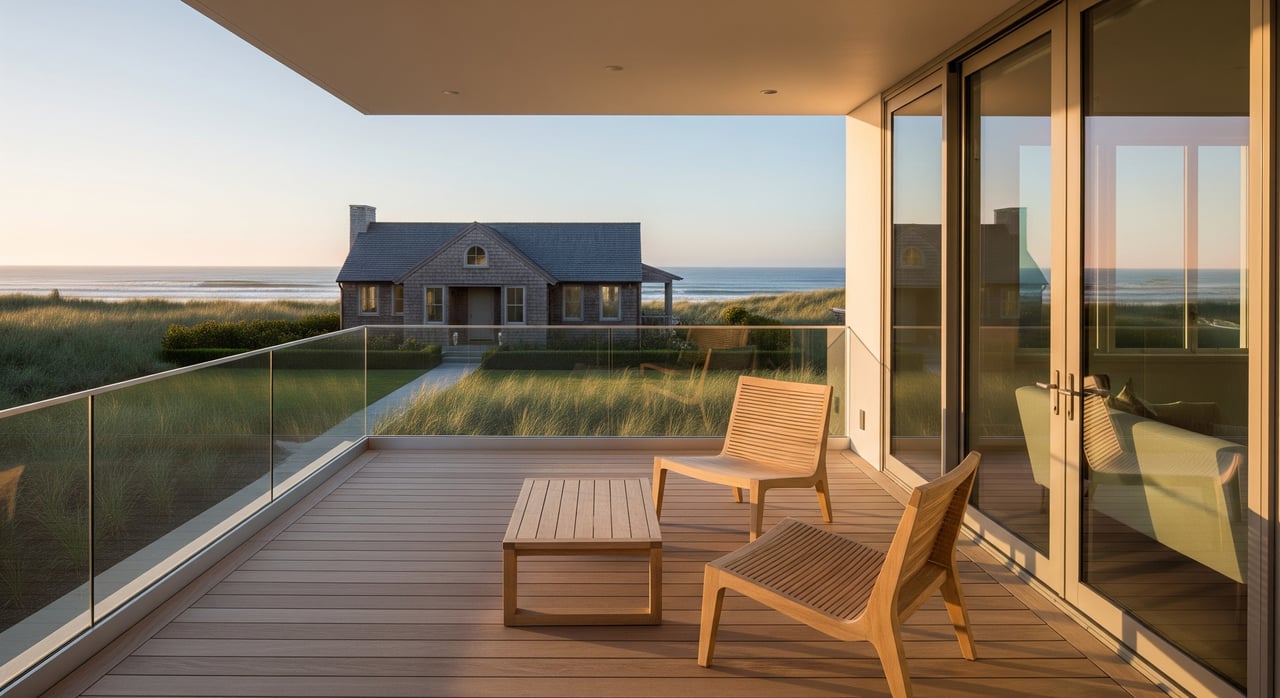
Second row: coastal character with a calmer feel. Ideal if you want beach access plus protection from the strongest wind.
Quick facts
- Buildings: directly behind the front row, overlooking dunes, marsh, or inland lagoons.
- Floor plans: similar range to oceanfront, often with balconies oriented to dune or lagoon.
- Views: dune topography, wetlands, and occasional lateral ocean glimpses.
- Beach access: a short walk on shared paths and boardwalks.
- HOA pattern: moderate dues; landscaping and boardwalk upkeep are typical budget items.
Pros
- More shelter from wind compared with front-row buildings.
- Strong sense of coastal landscape and wildlife outlooks.
- Often a more balanced value equation than oceanfront.
Tradeoffs
- Views can be partially obstructed by dunes or vegetation.
- Walk to the sand is slightly longer than front row.
Best for
- Buyers who want the coastal setting and access with a bit more calm and, typically, a lower price point than true oceanfront.
Interior clusters and court-facing condos
Interior clusters: privacy and value within walking distance. A good match for full-time living or longer stays.
Quick facts
- Buildings: arranged around internal streets, parking courts, or landscaped areas; often a block or two from the beach.
- Floor plans: more conventional condo and townhome layouts; one to three bedrooms; some with covered parking or garages.
- Views: inland, courtyard, or community green spaces.
- Beach access: walkable but plan on roughly 5 to 15 minutes depending on location.
- HOA pattern: often lower dues than ocean-facing buildings, with emphasis on common-area upkeep and insurance.
Pros
- More privacy and quieter settings than the beach promenade.
- Better parking access is common.
- Attractive value for square footage.
Tradeoffs
- No direct ocean views.
- Longer walk to the beach than oceanfront or second-row buildings.
Best for
- Full-time residents, families, or buyers focused on space, privacy, and value over panoramic views.
Amenity-centered clusters
Amenity hubs: easy access to pool, clubhouse, and services. Great for social energy or streamlined guest logistics.
Quick facts
- Buildings: clustered near pools, clubhouses, extra parking, or rental management offices.
- Floor plans and views: variable; direct ocean views are less common.
- HOA pattern: dues can be higher when pools or clubhouses are included; short-term rental activity is often more visible where allowed.
Pros
- Convenient access to shared facilities and services.
- Streamlined check-in or guest support when near a rental hub.
Tradeoffs
- More activity near common areas.
- Ocean views are less likely.
Best for
- Owners who value on-site amenities and investors where short-term rentals are permitted by the HOA and county.
Floor plans and building features to expect
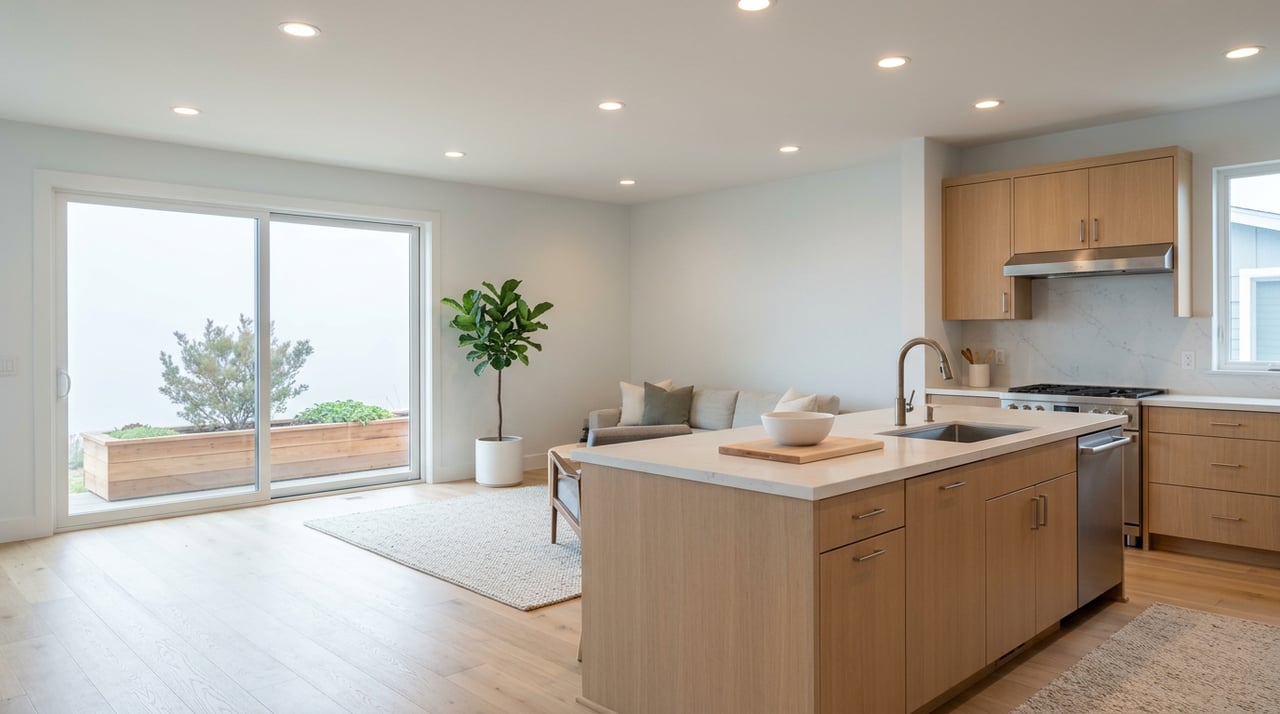
As you tour Pajaro Dunes, you will see a mix of low-rise walk-ups, stacked flats, and multi-level townhomes. One-bedroom and two-bedroom layouts are common, with some larger three-bedroom townhomes for bigger households. Most living areas and decks are oriented toward the primary view, whether that is the ocean, dunes, lagoons, or landscaped courts.
Accessibility varies by building. Many older complexes rely on stairs with limited elevator access, which can be a concern for top-floor units. If mobility is a priority, confirm elevator access before you fall in love with an upper-level view. Also pay attention to coastal-spec details such as decking, exterior materials, and fasteners, since salt air can accelerate wear. Recent exterior rehab, reserve study notes, and HOA meeting minutes are key for understanding what has been addressed and what is coming next.
HOA and ownership details that matter
Each association is different, so request the HOA resale packet early. Review CC&Rs, bylaws, current budget, reserve study, insurance certificates, rules on rentals and pets, and any special assessment notices.
What dues often cover
- Trash, exterior maintenance, common-area landscaping, and master insurance.
- Reserve contributions for big-ticket items like siding, roofing, decks, or boardwalks.
- Some associations include water or sewer; others do not. Verify coverage before you budget.
Rentals and permits
Short-term rental rules vary by association and by county. If you plan to rent, confirm the HOA’s rental policy and any county requirements for permits and transient occupancy tax. Santa Cruz County publishes guidance on vacation rental rules and permits. You can start with the official overview from the Santa Cruz County Planning Department vacation rental rules.
Insurance and coastal risk
Most HOAs carry a master policy for common areas and building structures, but you will likely need your own HO-6 policy for interior finishes and contents. Flood insurance may be required depending on the location and lender. Check your exact parcel in the FEMA Flood Map Service Center and review local coastal hazard guidance from the California Coastal Commission. These resources help you understand exposure and how it may impact insurance, permitting, and long-term planning.
Buyer checklist for shortlisting enclaves
Use this quick checklist to compare buildings and narrow your search.
- Walking time to beach access using a realistic path, not just map distance.
- Typical view orientation: ocean, dune, lagoon, or inland courtyard.
- Building type and unit level: single-level flat or multi-level townhouse; confirm stairs or elevator.
- Parking: assigned garage, carport, or uncovered; guest parking availability and permit rules.
- Current HOA dues and inclusions based on the latest budget and statements.
- Reserve study status and any planned capital projects or special assessments.
- Rental rules and county permit status if you plan to host guests.
- Flood zone and insurance requirements using FEMA maps and lender guidance.
- Age of building and recent exterior repairs such as roofing, siding, and deck replacements.
- Noise and wind exposure compared with more sheltered interior positions.
- Access to services such as groceries and main roads into Watsonville, Aptos, or Santa Cruz.
Map and naming tips for listings
Listings often use labels like oceanfront, beachview, dune view, or back row rather than official enclave names. Do not rely on adjectives alone. Confirm the building’s orientation on a map, test the walking path to the nearest boardwalk, and assess view corridors and wind exposure at the time of day you plan to use the deck most.
What to verify before you buy
Before you write an offer, gather the documents that answer maintenance, risk, and rules.
- HOA resale packet with CC&Rs, bylaws, financials, reserve study, insurance certificates, and rules on rentals and pets.
- Recent HOA meeting minutes and special assessment notices to flag big projects.
- MLS sheets and seller disclosures for floor plans, appliances, and updates.
- County records for parcel map, deed, tax history at the Santa Cruz County Assessor, and planning or permit history with the Santa Cruz County Planning Department.
- FEMA flood zone confirmation and Coastal Commission guidance for sea-level and erosion context via the FEMA Flood Map Service Center and California Coastal Commission sea level rise page.
Which enclave fits your goals
- If you dream in sunsets and surf checks, start with the front row. Balance the view premium with higher exterior exposure and dues.
- If you want a calmer deck and coastal scenery, second-row dune and lagoon outlooks often hit the sweet spot.
- If space, privacy, and budget are top of mind, interior clusters can deliver everyday comfort within walking distance of the beach.
- If amenities and guest logistics are key, look near pools, clubhouses, and rental hubs where allowed.
When you are ready to compare specific buildings and units, a local guide makes all the difference. Our team pairs deep Pajaro Dunes experience with a boutique, high-touch process. From previewing enclaves that match your lifestyle to clarifying HOA details and rental rules, we help you move with clarity and confidence.
Ready to see which enclave fits your wish list? Schedule a private consult or on-site tour with Melanie Dangzalan. We will tailor a shortlist and walk you through the tradeoffs so you can buy with confidence.
FAQs
Which Pajaro Dunes condos have the best ocean views?
- Front-row oceanfront buildings offer the most direct views, while some second-row units also capture strong lateral ocean sightlines depending on elevation and dune height.
Are short-term rentals allowed in Pajaro Dunes condos?
- Rules vary by association and by county; confirm the HOA’s CC&Rs and check the Santa Cruz County Planning Department vacation rental rules for permits and transient occupancy requirements.
How much are HOA dues in Pajaro Dunes?
- Dues vary widely by building and what is covered; request the latest HOA budget, financials, and reserve study to understand coverage, upcoming projects, and any special assessments.
Is flood insurance required for Pajaro Dunes condos?
- It depends on the building’s flood zone and lender; verify the parcel in the FEMA Flood Map Service Center and review the HOA’s master policy and your lender’s requirements.
Which enclaves are best for full-time living vs vacation use?
- Interior and second-row clusters often suit full-time living with more privacy and value, while oceanfront and amenity-centered buildings tend to fit vacation use or rental goals where allowed by the HOA and county.